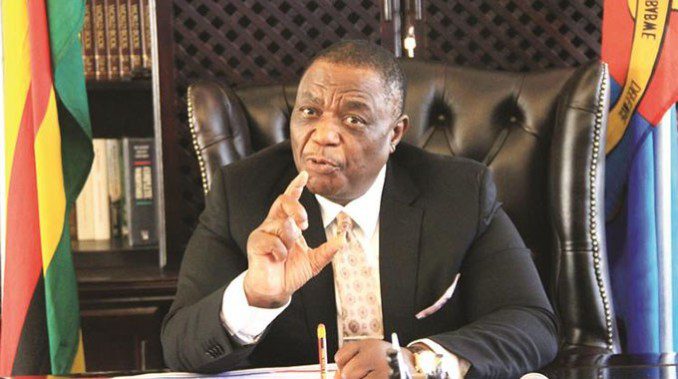
HARARE — Acting President Constantino Chiwenga on Friday reignited his anti-corruption rhetoric, urging Zimbabwe’s leaders to reflect on whether they are building a legacy of sacrifice and patriotic service or one of plunder, warning that the liberation struggle was never fought to enrich a privileged few while the majority sink deeper into poverty.
Speaking at the burial of the late Brigadier General Mathias Tizirai Ngarava at the National Heroes Acre, Chiwenga said the country risked betraying the sacrifices of fallen liberation fighters if ethical leadership and clean governance were not urgently entrenched across the state and public institutions.
He challenged contemporary political and economic elites to interrogate the values guiding their conduct, asking pointedly what kind of legacy today’s leaders were creating for future generations.
“The liberation struggle was not waged so that a few could prosper while many remain in abject poverty,” Chiwenga said. “It was fought so that every Zimbabwean could walk in dignity and be economically empowered.”
Chiwenga stressed that honouring fallen heroes went beyond ceremonial funerals and symbolic gestures, arguing that the truest measure of respect lay in the quality of governance and leadership delivered to citizens.
“Our duty is not merely to honour their memory — it is to implement their vision through ethical leadership, clean governance, unity of purpose and economic transformation,” he said.
The Acting President’s remarks come amid growing public concern over corruption, economic inequality and declining living standards, issues that have increasingly dominated national discourse. His renewed emphasis on accountability echoes earlier government pledges to tackle graft, though critics have often questioned the pace and consistency of enforcement.
Chiwenga warned that failure to confront corruption and poor governance would hollow out the moral foundations of the liberation legacy, reducing it to rhetoric detached from the lived realities of ordinary Zimbabweans.
“What legacy are we creating,” he asked, “one of sacrifice, patriotic service and national purpose, or one of plunder?”
The burial of Brigadier General Ngarava, a veteran of the liberation struggle, provided a solemn backdrop to the address, with senior government officials, military commanders and ruling party figures in attendance. Chiwenga’s message underscored the enduring political weight of liberation history in Zimbabwe, while also highlighting the growing tension between that legacy and contemporary governance challenges.