

HARARE – Zimbabwe’s sovereign wealth vehicle, the Mutapa Investment Fund, is seeking to raise up to US$475 million using its mining assets, even as its latest financial results reveal underlying weaknesses in cash generation, governance, and balance sheet quality.
According to NewWire, Mutapa plans to secure US$75 million through a domestic syndicated facility with local banks, alongside a larger US$400 million commodity-backed offtake arrangement. The strategy reflects a growing reliance on resource-backed financing as the fund attempts to unlock capital without increasing direct fiscal pressure on the government.
The funding push is anchored on the fund’s expanding mining portfolio, which has emerged as the primary driver of asset growth. The value of the mining cluster rose from US$2.41 billion to US$3.22 billion in 2025, supported largely by elevated global gold prices amid heightened safe-haven demand. Mutapa is now positioning these assets as collateral to attract structured financing tied to future mineral output.
Chief Investment Officer Simba Chinyemba said the fund is increasingly adopting alternative financing models, including resource-backed transactions, public-private partnerships, and rehabilitate-operate-transfer (ROT) structures, as part of a broader shift toward self-sustaining capital mobilisation.
“Resource-backed financing and structured transactions are central to our pipeline, which is now execution-ready,” Chinyemba noted, highlighting additional projects spanning energy and rail infrastructure.
Under the proposed offtake structure, Mutapa would receive upfront capital in exchange for committing future production—likely gold—as repayment. While such arrangements can provide immediate liquidity, analysts note that they place significant pressure on operational performance, as repayment is contingent on consistent output and commodity price stability.
The fund has also restructured its mining assets into commodity-specific subsidiaries covering gold, platinum, base metals, and energy minerals. This move is intended to enhance investor appeal by offering clearer, sector-specific exposure rather than a diversified but opaque portfolio.
However, Mutapa’s financial statements suggest that asset growth has not translated into operational strength. The fund reported total comprehensive income of US$1.4 billion for 2025, but approximately US$1.36 billion of this was derived from fair value gains rather than core business activity. This heavy reliance on revaluation raises questions about the sustainability and quality of earnings.
External auditors Grant Thornton issued a qualified opinion on the accounts, citing concerns over valuation methodologies. The fund’s balance sheet, estimated at US$16.5 billion, is therefore seen by some analysts as being highly sensitive to valuation assumptions rather than cash-generating performance.
Cash flow metrics further underscore these concerns. Mutapa recorded a modest cash surplus of US$21.7 million, while operating cash flow stood at negative US$48.3 million, indicating that the fund’s day-to-day operations are not generating sufficient liquidity. Despite receiving US$20.3 million in dividends and US$4.3 million in interest income, the fund remained reliant on borrowing to sustain operations.
Debt levels have also increased, with the fund taking on US$124 million in new borrowings during 2025. A significant portion—US$108.8 million—is linked to the National Oil Infrastructure Company, carrying interest rates of between 11% and 13%, adding to financing costs and balance sheet pressure.
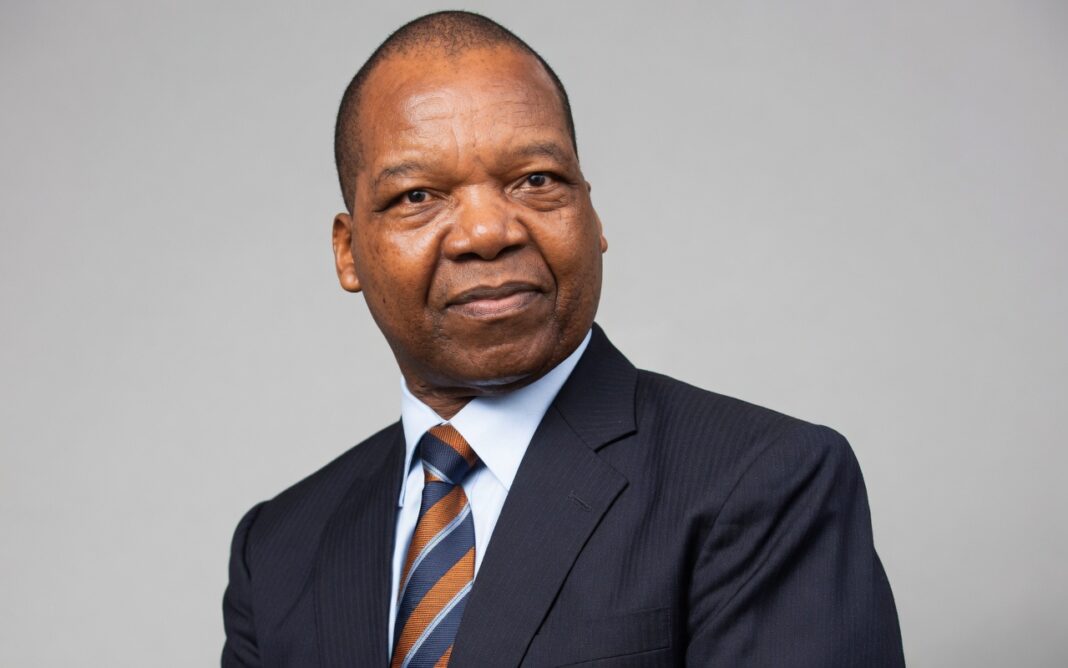
Chief Executive Officer John Mangudya acknowledged structural challenges within the portfolio, pointing to “technical insolvency in certain entities,” driven by legacy debt, inefficient operating models, and historical weaknesses in financial management.
Governance concerns persist, with six of Mutapa’s 31 portfolio companies yet to complete their 2024 audits as of March 2026. This raises transparency issues at a time when Zimbabwe is seeking to rebuild credibility with international lenders.
Under its programme with the International Monetary Fund, the government has committed to improving disclosure standards, including publishing detailed financials for entities under Mutapa’s control. The fund’s governance and performance are therefore seen as critical to Zimbabwe’s broader debt resolution and re-engagement strategy.
While Mutapa’s pivot toward resource-backed financing reflects innovation in capital raising, analysts caution that execution risk remains high. The success of these initiatives will depend on operational efficiency, commodity price stability, and the fund’s ability to translate asset value into sustainable cash flows.